“Theater is a place where I am constantly learning and challenging myself, and that is why I love theater so much,” Duggan explained. “It is my safe place where I can work to become a better person and connect with people from many different backgrounds.”
Evian Johnson, or Evie, is one of the candidates for Miss Teen South Dakota.
“I’m trying to beat my goals of last year. I’ve spoken to a lot of classrooms all over our state,” said Evian.
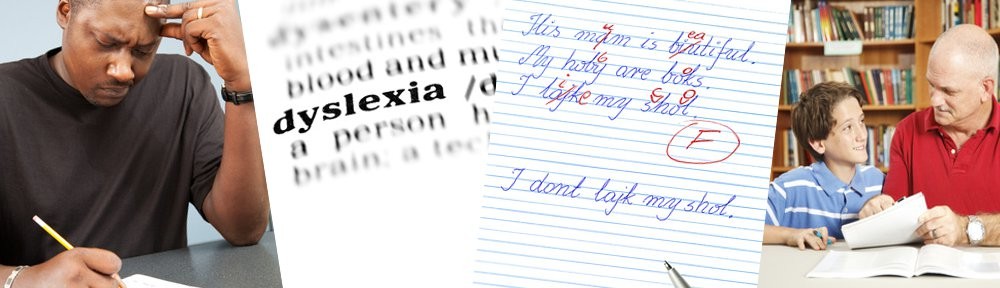
The Brookings High School senior is still doing that, where she reads books that have a common theme: dyslexia.
Something she was diagnosed with dyslexia at a young age.
“I couldn’t read. The best my words moved like this in a wave. I could read the really big words. My favorite word to say is gluteus maximus, which is butt. I could read that as a little kid, but I couldn’t read the words at or the. My brain couldn’t comprehend those words, and it made me feel different in a bad way,” said Evian.
During Tuesday’s segment of the Today show, the former Emmy-winning journalist, 56, revealed that she wasn’t diagnosed with the learning disability until she was 19.
“My community college teacher … got me tested,” she said. “She literally looked at me, because I was like, ‘I can’t write,’ and she goes, ‘You’re not dumb, you just can’t spell. You were learning differently.”
Adrian Ross, who grew in Bridge of Allan and attended Dollar Academy and Stirling University, has written ‘Sons of Great Men’ – described as a wry family story narrated by Victor, a sometime actor and pantomime dame, who battles his dyslexia to record his hospitalised mum’s memoirs.
The charity Dyslexia Sparks has linked up with Humberside Fire and Rescue to hold an awareness event at Bransholme Fire Station in Hull on Saturday.
Firefighter Sam Heslop said he had bell well supported by his employer, adding: “Your difference can be celebrated and something unique to you. When I joined the fire service it was reinforced that they don’t want people to think exactly the same.”