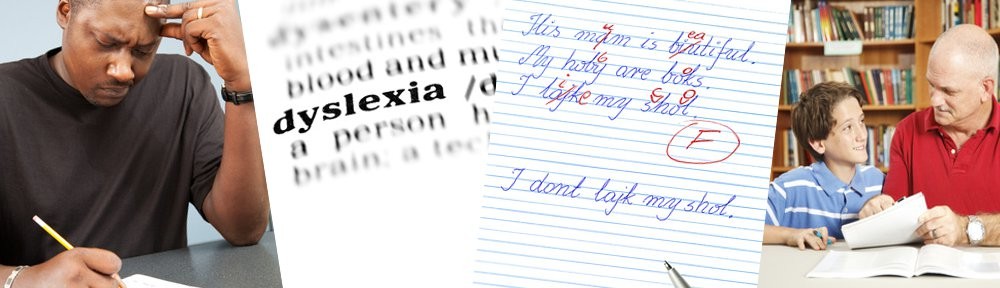
Seeing Differently Due to Dyslexia

Barbara Wirostko, MD, FARVO, is a glau­coma clinician-researcher and Adjunct Professor of Ophthalmology and Bio­medical Engineering at the University of Utah, Moran Eye Center in Salt Lake City. Outside of her ophthalmological work, she runs a national nonprofit charity supporting young adults with dyslexia who are pursuing careers in science, tech­nology, engineering, and mathematics (STEM). In this Q&A, Wirostko shares how personal loss led her to create a foundation that has transformed hundreds of lives.

How did you get into this work? I did not “choose” to do this work—it essentially evolved out of need. In 2014, our son, Joseph James, died suddenly in a car crash. He was a junior at Montana State University (MSU), studying mechanical engineer­ing. We asked our community to donate in lieu of spending money on flowers. What began as a local grassroots effort has turned into a national volun­teer nonprofit, the Joseph James Morelli Legacy Foundation. Over 11 years, we have awarded close to $900,000 in 496 scholarships across 44 states.

Read more about it HERE
Jour­ney of a reader: from a struggle to a joy­ful sanc­tu­ary

Istill vividly remem­ber the look of hor­ror on my primary teacher’s face when she real­ised I hadn’t quite mastered the mech­an­ics of read­ing. I had been hap­pily ‘read­ing’ the story from the pic­tures, mak­ing it up as I went along, until she asked me to sound out spe­cific words. I hadn’t a clue. As a child with mild dys­lexia, it was a struggle and a ‘rude’ awaken­ing; it took me much longer to read than my peers. Yet, once I finally broke the code, you couldn’t get my nose out of a book.

Even­tu­ally, I became an Eng­lish teacher, and among my many roles in schools over the years, I have also been a teacher-lib­rar­ian. The joy of read­ing, a fas­cin­a­tion with books and a deep love for lib­rar­ies have always been part of my life. Humans are hard­wired to make sense of the world through nar­rat­ive; we con­sume stor­ies non-stop. However, there has been a sig­ni­fic­ant shift in how we con­sume them – through film, TV, pod­casts and audiobooks.

Read the full story HERE

Tom Holland on ADHD, Dyslexia, and Tapping into ‘Play’ for Spider-Man: Brand New Day

  • Tom Holland has been diagnosed with ADHD and dyslexia.
  • He uses ‘play’ to overcome creative intimidation and develop characters, including for Spider-Man.
  • Holland’s dyslexia primarily affected his spelling, and he credits his parents for their support.
  • His openness about neurodivergence makes him a role model for many fans.
  • ‘Spider-Man: Brand New Day’ is his next MCU film, releasing July 31, 2026, where Peter Parker starts anew after ‘No Way Home’.

Read the full article HERE

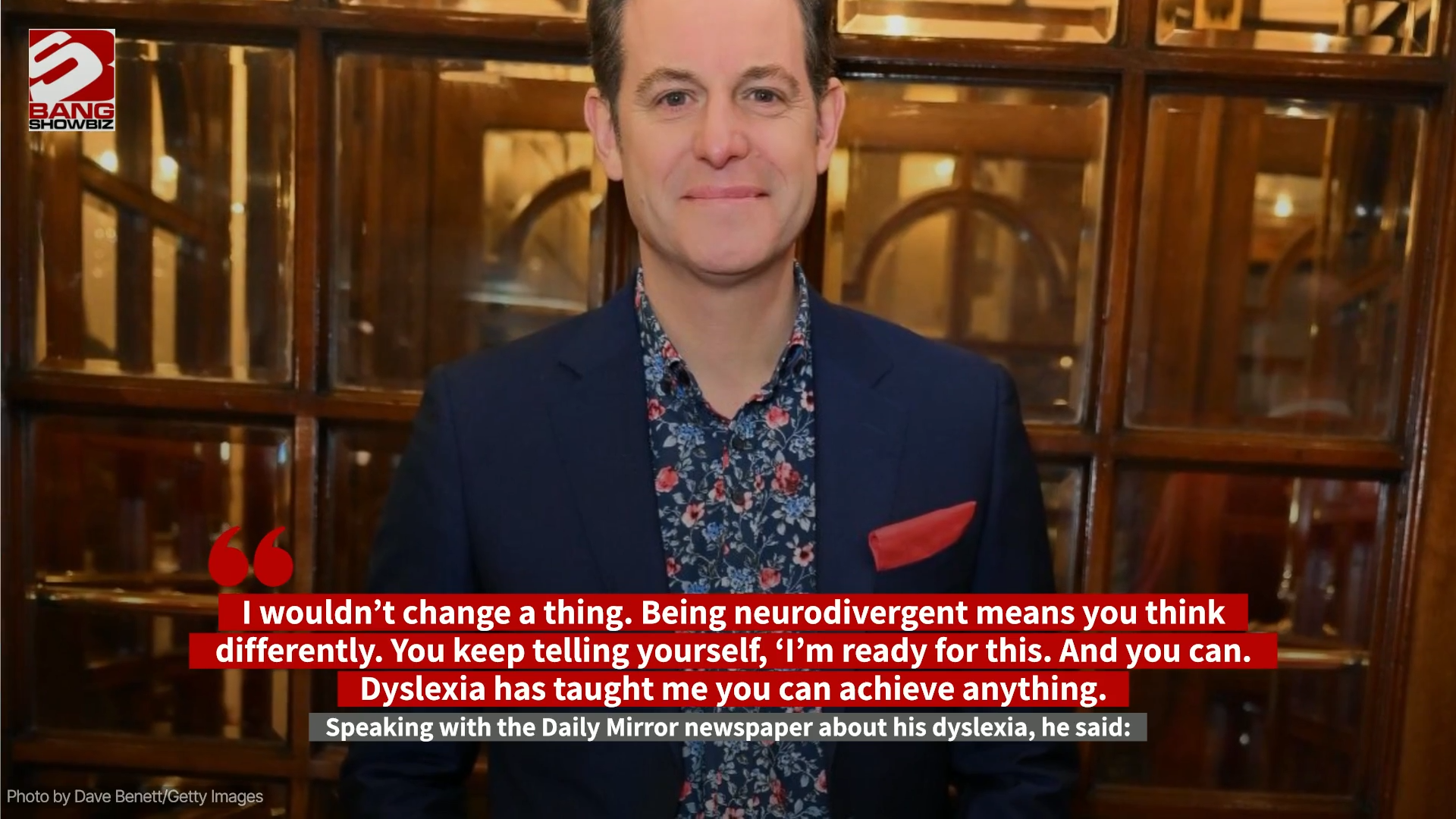
Dyslexia in police leadership

Assistant Chief Constable and NPCC neurodiversity lead, Matt Welsted speaks about his dyslexia and how organisations can support neurodiversities.

Read the whole article HERE