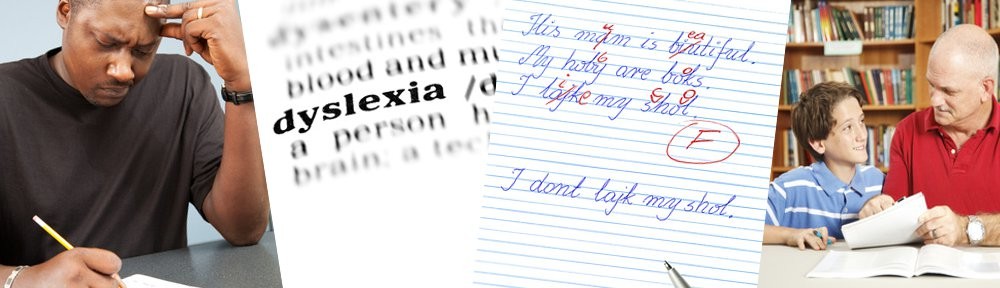
The benefits of using OneNote with dyslectic children

Dyslexia: News from the web:

Microsoft’s OneNote digital notebook has helped dyslexic children improve their reading and spelling skills in a trial led by a top UK school.

The British Dyslexia Association (BDA) is encouraging educators to look at the potential for using the technology in the classroom after OneNote was found to increase reading skills and boost confidence among young people with the condition.

Teachers involved in the project said they intended to continue using the tools as they have benefited their pupils, especially older students.

Read all about it HERE

Visit us at DyslexiaHeadlines.com
A service from Math and DyscalculiaServices.com

Piano playing and Dyslexia

Dyslexia: News from the web:

A DYSLEXIC man has invented a system for teaching the piano to people with learning difficulties.

Emoji-Go is based on standard musical notation but assigns the colours of the rainbow to each of the seven notes from A (red) to G (violet).

These are illustrated with emojis, the smiley-faced characters used in text messages and on social media.

Inventor Kevin Thomson, 67, from Peppard Common, came up with the idea as he had struggled to learn to play the piano as a child.

Read all about it HERE

Visit us at DyslexiaHeadlines.com
A service from Math and DyscalculiaServices.com

Fixing Dyslexia

Dyslexia: News from the web:

Read the interview in the link of the day and see how easy the fix would be:

“Rather than a knowledge gap, we have an action gap,” Shaywitz, a professor of pediatrics at Yale University School of Medicine, told me in a recent interview. “We have to act on the knowledge we have, and we haven’t done that, and it’s absurd.”

Read all about it HERE

Visit us at DyslexiaHeadlines.com
A service from Math and DyscalculiaServices.com

Diagnosing the brain

Dyslexia: News from the web:

It remains difficult to diagnose what is going on in the brain. See the article in today’s link:

Concussions are finicky. They look different in different people. There still isn’t a clear biological signature we’re able to track. So instead, trainers and doctors lean on reported symptoms and neurocognitive tests, which measure things like memory, processing speed, and reaction time, to guide concussion diagnosis.

These tests, though, don’t serve all athletes equally: Disabilities, particularly learning disabilities like attention-deficit hyperactivity disorder and dyslexia, skew the results, making concussions more challenging to diagnose and treat in disabled athletes.

Read all about it HERE

Visit us at DyslexiaHeadlines.com
A service from Math and DyscalculiaServices.com