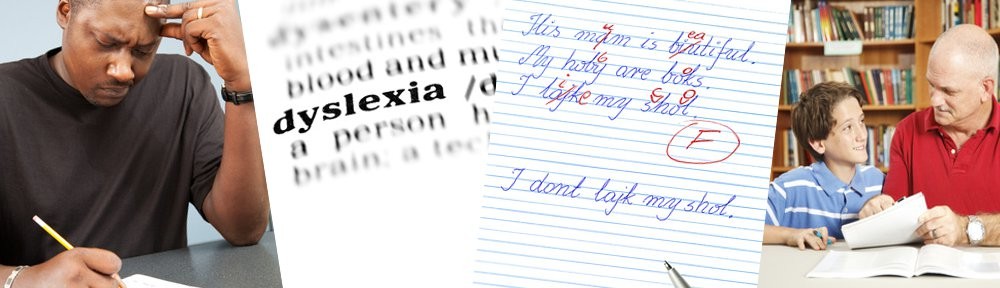
The importance of a proper diagnosis

Dyslexia: News from the web:

A study done at the University of Washington concludes (not surprising):

It is important that kids receive a proper diagnosis, then specialized instruction tailored to it, said Virginia Berninger, an educational psychologist who worked with Richards on this study and othersand heads the UW Interdisciplinary Learning Disabilities Center.

“So many of these kids never get the kind of instruction they need,” Berninger said, “and we just keep showing over and over again that if you find out what’s wrong and you teach that skill, voilà, they can learn.”

Read all about it HERE

Visit us at DyslexiaHeadlines.com
A service from Math and DyscalculiaServices.com

Dyscalculia, Dyslexia, Alzheimer, Music and the brain

Dyslexia: News from the web:

A very interesting story, making a couple of points about how brain damage impacts speech, reading, math and musical ability.The story explains how dyslexia and dyscalculia are due to different brain failures. It even goes as far as suggesting that Ravel’s Bolero with its countless repetitions may be a sign of Alzheimer in the composer.

Read all about it HERE

Visit us at DyslexiaHeadlines.com
A service from Math and DyscalculiaServices.com

Confidence boost for children with dyslexia

Dyslexia: News from the web:

From time to time we stumble across wonderful blog posts or news paper articles that outline again the positives that can come out of having to deal with dyslexia in your life.

Richard Branson is often named as someone who has dealt with it in a positive manner and he is quoted as saying that dyslexia gave him a great business advance on other entrepreneurs.

The article in our link today highlights some of it, provides tips for parents, corrects some myths and provides a poem written by a dyslectic author.

Read all about it HERE

Visit us at DyslexiaHeadlines.com
A service from Math and DyscalculiaServices.com

Dyslexia podcast

Dyslexia: News from the web:

From the UK a podcast about people and their dyslexia. Here is the story:

Sean Douglas is an internet broadcaster with a background in broadcast TV news, PR, corporate comms and podcasting. After battling through the UK education system and being launched into the world of work. Although successful, Sean always knew something was different. Finally in his late-twenties Sean was diagnosed with Dyslexia; a diagnosis that changed his life in unimaginable ways. After meeting other dyslexics who stories touched, inspired and angered him, Sean created The Codpast to share those stories with a wider audience.

Read all about it HERE

Visit us at DyslexiaHeadlines.com
A service from Math and DyscalculiaServices.com

App adapts written texts for dyslectics

Dyslexia: News from the web:

A website has been developed in France that can adapt written texts to the needs of dyslexic children. The website, which was the result of intuition from the social start-up Aidodys, allows the user to load pages of reading, exercises and lessons in various digital formats and generate the same documents in readable versions for those who suffer from dyslexia, dysphasia or dyspraxia. This helps young users to distinguish the spaces between words, to tell capital letters from lower case as well as different punctuation marks. Intended for parents, teachers and medical professionals, the website allows you to customise the results based on the needs of each user.


Read all about it HERE

Visit us at DyslexiaHeadlines.com
A service from Math and DyscalculiaServices.com

Dysmusia as a form of Dyslexia?

Dyslexia: News from the web:

Music education in the western world often emphasizes musical literacy, the ability to read musical notation fluently. But this is not always an easy task – even for professional musicians. Which raises the question: Is there such a thing as musical dyslexia?

Dyslexia is a learning disability that occurs when the brain is unable to process written words, even when the person has had proper training in reading. Researchers debate the underlying causes and treatments, but the predominant theory is that people with have a problem with phonological processing – the ability to see a symbol (a letter or a phoneme) and relate it to speech sounds. Dyslexia is difficult to diagnose, but it is thought to occur in up to 10% of the population.

In 2000, Neil Gordon, a retired pediatric neurologist, proposed the idea of musical dyslexia (dysmusia), based on growing evidence that the areas of the brain involved in reading music and text differed.

Read all about it HERE

Visit us at DyslexiaHeadlines.com
A service from Math and DyscalculiaServices.com