Dyslexia: News from the web:
Courtesy of the Italian dyslexia association, some tips to choose a good school for your dyslectic child.
Read all about it HERE
Visit us at DyslexiaHeadlines.com
A service from Math and DyscalculiaServices.com
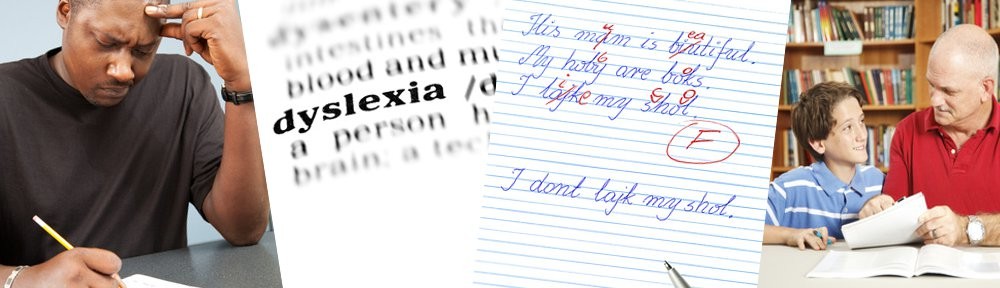
Dyslexia: News from the web:
Courtesy of the Italian dyslexia association, some tips to choose a good school for your dyslectic child.
Read all about it HERE
Visit us at DyslexiaHeadlines.com
A service from Math and DyscalculiaServices.com
Dyslexia: News from the web:
Read all about it HERE
Visit us at DyslexiaHeadlines.com
A service from Math and DyscalculiaServices.com
Dyslexia: News from the web:
Having supported her third son, Prince Louis, as he dealt with dyslexia from a young age, the Grand Duchess knows only too well how parents and their children can suffer.
“Parents should not be discouraged,” the Grand Duchess said at a press conference, adding: “Louis was diagnosed late with dyslexia at the age of 10. What was impressive is that he managed to convince me during all this time that he could read, when he couldn’t!”
The Grand Duchess explained that the prince had such a strong memory and flair for creativity, he was able to find other ways to learn.
Read all about it HERE
Visit us at DyslexiaHeadlines.com
A service from Math and DyscalculiaServices.com
Dyslexia: News from the web:
The new Code of Practice states that all teaching and support staff should be trained and have awareness of quality teaching for students with SEN. Helen Arkell and Patoss, in association with The Dyslexia SpLD Trust have produced four webcasts. These webcasts and accompanying resources will support teachers and support staff in working with students with SEN.
Read all about it HERE
Visit us at DyslexiaHeadlines.com
A service from Math and DyscalculiaServices.com
Dyslexia: News from the web:
Read all about it HERE
Visit us at DyslexiaHeadlines.com
A service from Math and DyscalculiaServices.com
Dyslexia: News from the web:
Well this will be a controversial story. The largest UK sperm bank apparently has determined that dyslectics cannot donate sperm, in their words : to ‘minimize genetic diseases or malformations’ in new born children.
You are also not welcome with ADD, autism and Asperger’s!
The case is being reviewed as there are some rules about discrimination and those will need to be examined.
Read all about it HERE
Visit us at DyslexiaHeadlines.com
A service from Math and DyscalculiaServices.com