6 ways to improve interventions for specific learning difficulties

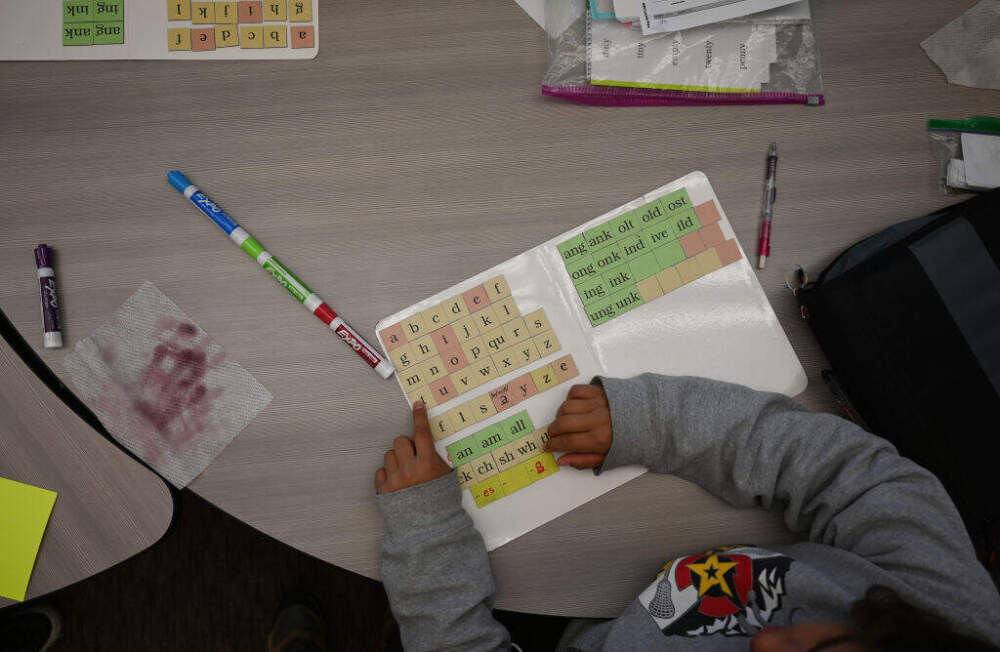
There is plenty of research around SLD – such as dyslexia, dyscalculia and dysgraphia – but teachers and schools need to be involved in the development of new approaches, says Gillian Stirton

A motivated corps of experts, developers, entrepreneurs and others create ways to combat the difficulties and downstream disadvantages that come with SLD such as dyslexia, dyscalculia and dysgraphia, or combinations of these.

Read the full article HERE

How AI can help detect dyslexia in children

A team of researchers from the State University of New York at Buffalo has presented an innovative study on the use of artificial intelligence in the early detection of dyslexia and dysgraphia in children.

The study proposes a method for analyzing handwriting—on paper or tablet—to identify early signs of these disorders. Its aim is to complement existing screening tools, which are often costly, time-consuming, and focused on detecting only one disorder at a time.

Read the full article HERE

Consider our Dyscalculia for Dyslexia tutors training

Creating a Dyslexia-Friendly Workplace: A Guide for Employers

While some people might know dyslexia as a disorder that affects children, it can also impact adults. This is especially true if the disorder is not caught when someone is young. Adults with dyslexia may find that it can cause issues in day-to-day life, although the symptoms can change depending on various circumstances. 

Adults with dyslexia may develop the habit of avoiding things they have difficulty with. This can lead to not applying for promotions that involve a high amount of administrative work (LoGiudice, 2018). Adult dyslexia can also cause someone to feel frustrated with certain parts of work that include sequential tasks and processes. 

Read the guide HERE