Which of the report’s findings or results do you find most encouraging? And which is most troubling?
There is a lot to be encouraged by here. The growing understanding of phonics and word recognition among teachers is promising, as is the finding that 81 percent of respondents recognize the importance of breaking words into parts to support struggling readers. We were also especially glad to see the report include information on understanding the needs of students with dyslexia and English learners.
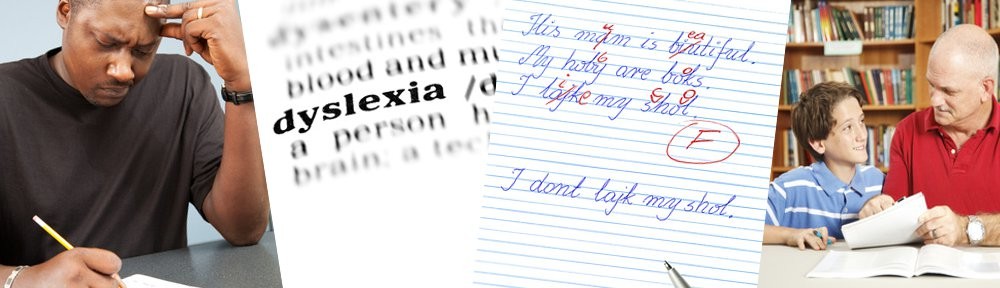
At the same time, several findings are deeply concerning. We are troubled by the continued finding that only 2 percent of teachers report learning evidence-aligned reading practices during their pre-service training, as opposed to the training they receive after years of teaching. This means the overwhelming majority of teachers have been entering classrooms without the knowledge they need. It is also troubling that 56 percent of teachers still associate dyslexia primarily with letter reversal. Finally, we are also concerned by the “science of reading gap” in high-poverty schools and at intermediate and secondary grade levels.
Read more HERE